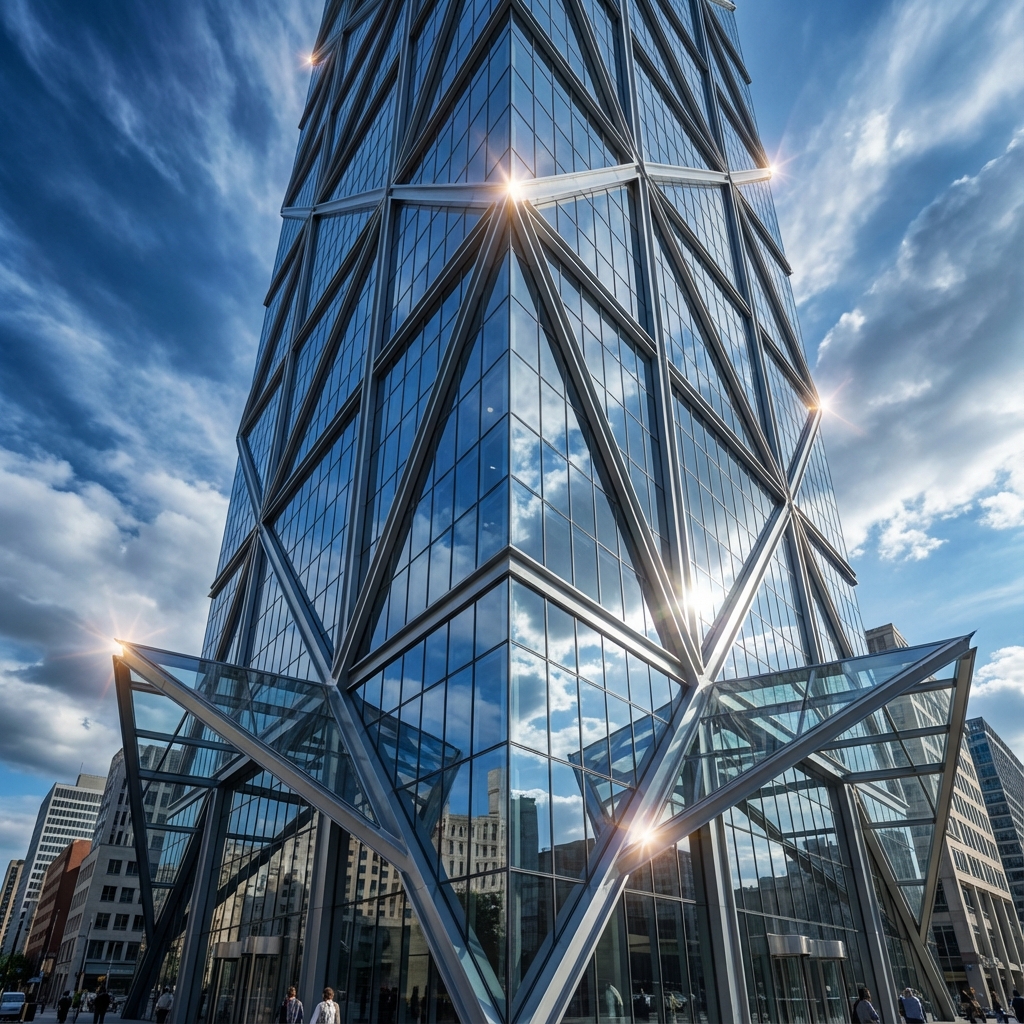
Tensile Structure
Architectural membrane structures for aesthetic roofing.
Modern Architecture
State-of-the-art design principles applied to every Tensile Structure project we undertake, ensuring visual appeal matches structural integrity.
Industrial Strength
Built to withstand the toughest conditions with premium grade materials and world-class engineering standards.
Safety & Compliance
Rigorous adherence to international safety standards and local building codes for peace of mind.
Why Choose VK for Tensile Structure?
Create iconic skylines with our Tensile Structures. Lightweight, durable, and visually stunning, these membrane structures offer flexible roofing solutions for stadiums, malls, and public spaces. Using high-strength fabric membranes and steel cable systems, we create curved, organic shapes that are impossible with conventional construction, turning functional covers into architectural landmarks.
Excellence in Action
Delivering superior infrastructure solutions across the nation.
Technical Specifications
Detailed specifications that define the capabilities of our Tensile Structure solutions
Membrane Material
PVC, PTFE, ETFE
Span Capability
Up to 70 meters
UV Resistance
98% UV block
Membrane Life
15-25 years
Wind Resistance
Up to 150 km/h
Fire Rating
B1/M2 fire retardant
Application Areas
Industries and projects where our Tensile Structure solutions excel
Stadium Roofing & Canopies
Shopping Mall Atriums
Amphitheaters & Performance Spaces
Car Parking Shades
Swimming Pool Covers
Exhibition & Event Spaces
Airport Terminals & Walkways
Public Plazas & Courtyards
Key Benefits
Advantages that set our Tensile Structure solutions apart from the competition
Covers large spans without internal supports
Lightweight reduces structural load and foundation costs
Translucent membranes provide natural daylight
UV resistant materials protect users and vehicles
Unique shapes create iconic architectural statements
Quick installation compared to conventional roofing
Weather-resistant and durable
Energy-efficient with natural light penetration
Our Construction Process
A systematic approach ensuring quality at every stage of your Tensile Structure project
Concept Design & 3D Visualization
Structural Engineering & Load Analysis
Membrane Material Selection
Fabrication Drawings
Foundation & Support Structure
Cable & Anchor Installation
Membrane Fabrication
On-Site Installation
Tensioning & Adjustment
Waterproofing & Sealing
Quality Inspection
Handover & Maintenance Guide
Frequently Asked Questions
Common questions about our Tensile Structure solutions answered by our experts

Ready to Build Your Vision?
Contact our expert team today to discuss your requirements and get a detailed proposal for your Tensile Structure.
Contact Us Now